
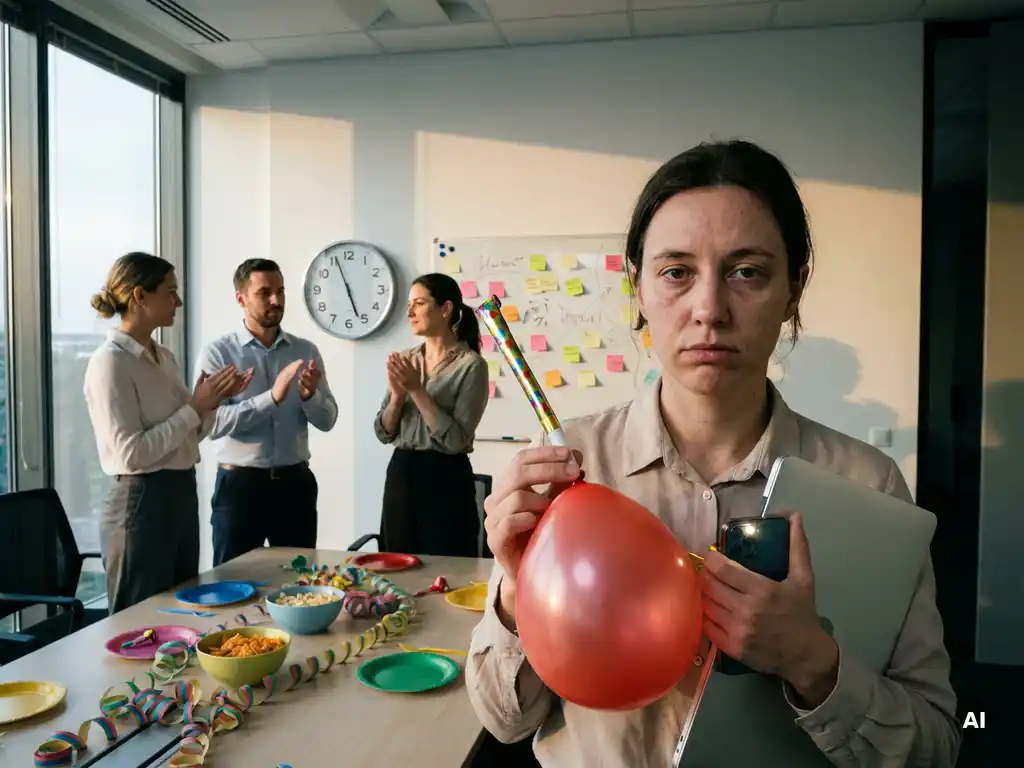
Fun team activities often fail to improve genuine employee engagement because they create a short burst of energy without changing the everyday behaviors that drive workplace culture. If people return to unclear priorities, low psychological safety, and weak follow-through, the “fun” fades fast and engagement stays flat.
Team building works when it strengthens trust, communication, and ownership in real work situations, not when it only entertains. In 2026, many teams also face communication fatigue and siloed work, which makes one-off activities even less likely to stick.
The questions below break down what genuine engagement looks like, why it drops after events, and what to do differently.
Waarom zorgen leuke teamactiviteiten niet voor meer oprechte betrokkenheid?
Fun team activities do not improve genuine engagement when they are disconnected from daily work, lack psychological safety, or end without clear next steps. People may enjoy the moment, but employee engagement grows from consistent habits like speaking up, giving feedback, and collaborating across teams, not from a single upbeat experience.
Most organizations do not have a “fun problem.” They have a follow-through problem. If the activity does not translate into new norms, such as how meetings run, how decisions get made, or how conflict gets handled, then workplace culture stays the same.
Common reasons fun does not convert into engagement include:
- No behavior change: the activity does not practice skills people need on Monday, like listening, clarity, or ownership.
- Weinig vertrouwen: people do not feel safe enough to be honest, so they perform enthusiasm instead of building connection.
- Mixed signals from leadership: leaders celebrate “team spirit” but reward only speed, individual heroics, or silence.
- One-size-fits-all design: the activity ignores team realities like hybrid work, silos, or cultural differences.
What does “genuine engagement” look like at work?
Genuine engagement at work looks like employees who contribute ideas, ask questions early, collaborate across boundaries, and take ownership of outcomes because they feel their effort matters. It shows up in everyday choices, not in how loudly people laugh during team activities or how positive they sound right after an event.
Engagement becomes visible in small, repeatable behaviors that signal a healthy workplace culture:
- Psychologische veiligheid: people speak up, admit mistakes, and challenge assumptions without fear.
- Duidelijkheid: teams understand priorities, roles, and what “good” looks like.
- Trust and feedback: colleagues give direct, respectful feedback and act on it.
- Eigendom: people solve problems instead of waiting for permission or blaming other departments.
- Energy with purpose: motivation connects to meaningful goals, not just perks.
When these behaviors improve, employee engagement becomes durable because it is built into how work happens.
How can leaders diagnose why engagement is low after team activities?
Leaders can diagnose low engagement after team activities by checking whether the activity changed anything about communication, decision-making, and accountability in daily work. If meetings feel the same, feedback still feels risky, and silos remain, then the event likely delivered entertainment without strengthening the system that shapes engagement.
A practical diagnosis starts with three quick checks:
- Transfer check: What specific behavior did people practice that they will use in real projects this week?
- Safety check: Did quieter voices participate, or did the same confident people dominate?
- Follow-through check: Did the team agree on one or two concrete changes, with an owner and a date?
Then look for friction points that block engagement even when people want to participate:
- Informatie-overload: people feel flooded, so they disengage to cope.
- Knelpunten bij managers: frontline managers carry all communication, so messages distort or stall.
- Silo incentives: teams optimize for their own targets, not shared outcomes.
- Unclear strategy: people cannot connect their work to a bigger story.
If you can name the blocker, you can design team building that targets it directly.
What team-building approaches create lasting engagement?
Team building creates lasting engagement when it builds repeatable skills and norms that improve real work, especially communication, trust, and psychological safety. The best team building feels fun, but it is designed to practice behaviors teams need under pressure, so the impact continues after the event ends.
Approaches that tend to stick include:
- Skill-based team activities: exercises that train listening, clarity, and collaboration, not just competition.
- Shared language and habits: simple cues teams can reuse, like how to build on ideas instead of shutting them down.
- Realistic scenarios: practice handling disagreement, feedback, and uncertainty in a safe setting.
- Samenwerking tussen verschillende afdelingen: mixed groups working on challenges that require different perspectives.
- Commitments that survive the calendar: one or two behavior changes embedded into meetings, handoffs, or retros.
Improvisation-based formats work well here because they train adaptability and “make your partner look good” behaviors that translate directly into workplace culture. When teams practice these micro behaviors repeatedly, employee engagement rises because people experience progress, not just positivity.
How can you measure whether team activities are working?
You can measure whether team activities are working by tracking behavior change over time, not just satisfaction scores right after the event. Useful measurement combines quick pulse feedback with observable indicators like meeting participation, cross-team collaboration, and follow-through on commitments. If those improve, employee engagement is likely improving too.
Gebruik een eenvoudige meetstapel:
- Onmiddellijke hartslag: ask what felt useful, what felt risky, and what one behavior people will try next week.
- Tweewekelijkse controle: did the team actually try the behavior, and what got in the way?
- Thirty-day review: what changed in meetings, handoffs, or decision-making, and what evidence shows it?
Look for concrete signals tied to psychological safety and workplace culture:
- More questions and earlier escalation of issues
- More balanced airtime in meetings
- Faster recovery after mistakes, with less blame
- Clearer ownership and fewer dropped handoffs
- More collaboration across departments without extra escalation
If you only measure “Did you have fun,” you will only optimize for fun. If you measure “What changed at work,” you will optimize for engagement.
How Boom For Business helps with genuine engagement?
We help teams turn team activities into lasting employee engagement by designing experiences that build psychological safety, communication clarity, and ownership through practical, repeatable behaviors. Our approach combines high-energy facilitation with business-friendly humor so people stay open, participate fully, and leave with habits they can use immediately.
- Programma's voor cultuurontwikkeling: Onze Programma ‘Positive Culture’ strengthens trust, clarity, ownership, and collaboration through everyday behaviors.
- Improv-based learning: Onze interactieve workshops train listening, flexibility, and “yes, and” communication that teams can apply in real meetings.
- High-participation team building: Onze teambuildingactiviteiten create connection while reinforcing how teams work together, not just how they celebrate together.
- Event design that lands messages: We bring professional hosting and storytelling so key messages feel human, memorable, and actionable.
If you want team building that creates genuine engagement instead of a short-lived buzz, start at Een enorme opleving voor het bedrijfsleven and tell us what you want to change in daily work.
Veelgestelde vragen
How do you choose a team-building activity that fits your team’s real needs?
Start with the blocker you want to change (e.g., unclear priorities, low trust, siloed handoffs). Ask: “What behavior do we need more of next week?” Then pick an activity that practices that behavior in a realistic scenario and ends with 1–2 commitments (owner + date). If you can’t name the behavior it trains, it’s probably just entertainment.
What should you do if employees roll their eyes at team building or feel it’s forced?
Acknowledge the skepticism and make participation psychologically safe: explain the purpose in plain language, keep it optional where possible, and avoid anything that pressures people to perform. Use low-risk formats (small groups, structured prompts, anonymous input) and tie the session to a real work pain point the team wants solved.
How can hybrid or remote teams build engagement without adding more meeting fatigue?
Use shorter, embedded practices instead of big events: a 10-minute weekly retro, rotating facilitation, or a “one question” check-in that improves clarity. Prefer async inputs (shared doc brainstorming, anonymous questions) and reserve live time for decisions, conflict resolution, and alignment—where real trust is built.
What are a few “Monday-ready” habits teams can adopt after an activity?
Pick one habit per month and bake it into existing meetings: (1) start with a 2-minute priority reset (“What matters most this week?”), (2) use a round-robin to balance airtime, (3) end meetings with explicit owners and deadlines, and (4) add a quick “What did we learn?” after mistakes to reduce blame and speed recovery.
How do you involve frontline managers so engagement changes actually stick?
Give managers a simple playbook: the exact behaviors to model, the meeting prompts to use, and what “good” looks like. Coach them to reinforce the new norms in 1:1s and team meetings, and align their incentives so they’re rewarded for collaboration and follow-through—not just speed or individual output.
When should you bring in an external facilitator versus running team building internally?
Bring in an external facilitator when trust is low, conflict is simmering, or leaders need to participate without controlling the room. Run it internally when the team already has basic safety and you can commit to ongoing practice. A good rule: if people won’t speak honestly in front of their manager, use a neutral facilitator.
What’s a realistic timeline to see engagement improvements from better team-building design?
Expect early signals in 2–4 weeks (more balanced participation, clearer decisions, fewer dropped handoffs). More durable culture shifts typically take 60–90 days of consistent practice and reinforcement. Track one or two behaviors, review them monthly, and adjust the “habit” rather than adding more activities.
Gerelateerde artikelen
- Waarom werken afdelingen binnen grote bedrijven niet samen?
- Hoe zorg je ervoor dat de effecten van teambuildingactiviteiten blijvend zijn?
- 11 oefeningen voor elevator pitches die de zakelijke communicatie verbeteren
- Hoe verloopt de samenwerking met een evenementpresentator doorgaans?
- Wat zijn teambuildingactiviteiten om vertrouwen op te bouwen?