
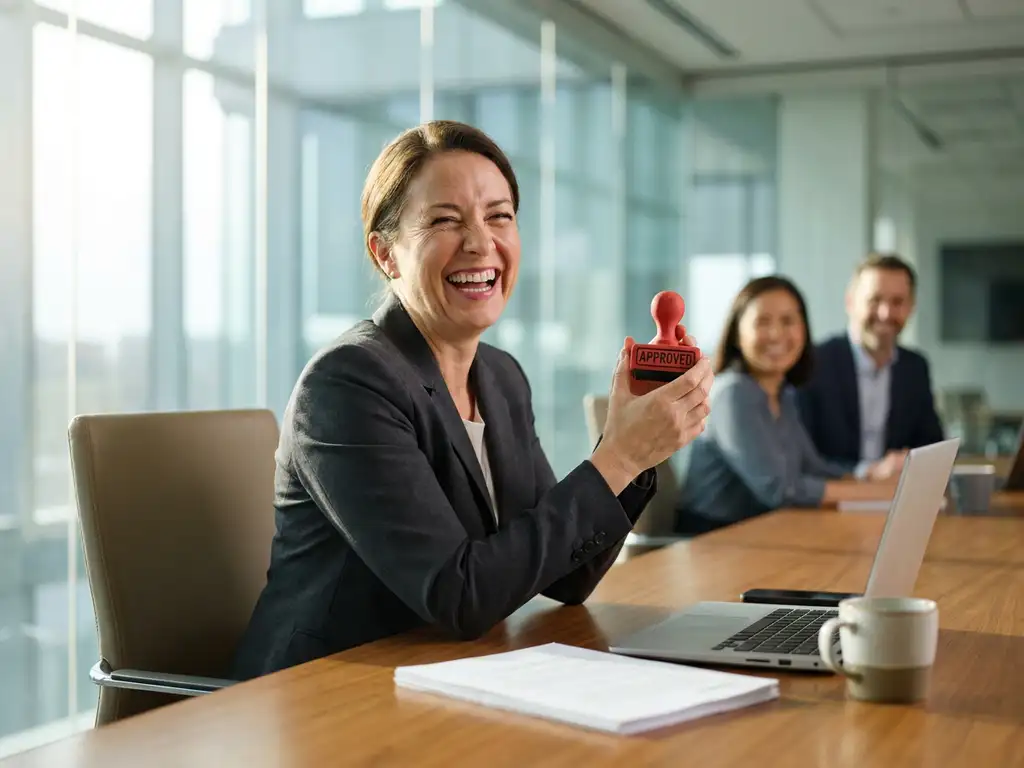
Humor in het bedrijfsleven is het doelbewuste, professionele gebruik van luchtigheid, humor en gezamenlijke lachmomenten om de communicatie te verbeteren, relaties te versterken en boodschappen op het werk beter te laten beklijven. Het bevordert een betere samenwerking en kan spanning verminderen tijdens cruciale momenten zoals culturele verandering of transformatie van de werkplek wanneer mensen behoefte hebben aan duidelijkheid en vertrouwen.
Als je humor goed inzet, gaat het niet om het vertellen van grappen. Het is een praktisch hulpmiddel binnen een communicatiestrategie en strategie voor interne communicatie dat teams helpt om te luisteren, contact te maken en actie te ondernemen.
In de onderstaande paragrafen worden de meest gestelde vragen beantwoord die leidinggevenden hebben over het professioneel gebruik van humor, waaronder de voordelen, de risico’s en hoe je een gezondere teamcultuur.
Wat is humor in het bedrijfsleven?
Humor in het bedrijfsleven is een communicatieaanpak waarbij op gepaste en inclusieve wijze luchtigheid wordt ingezet om interacties op het werk duidelijker, menselijker en beter te onthouden te maken. Dit kan tot uiting komen in het vertellen van verhalen, het begeleiden van bijeenkomsten, presentaties en alledaagse leiderschapsmomenten, vooral wanneer teams op één lijn moeten worden gebracht, betrokkenheid van medewerkers, of ondersteuning tijdens leiding geven bij verandering.
Professionele humor heeft een doel. Het helpt mensen om op te letten, vermindert een defensieve houding en creëert een gedeelde betekenis zonder de ernst van de zaak te ondermijnen. In de praktijk ziet humor in het bedrijfsleven er vaak als volgt uit:
- Herkenbare observaties over de realiteit op het werk waardoor mensen zich gezien voelen
- Verhalen vertellen in tijden van verandering dat abstracte strategieën omzet in concrete, menselijke voorbeelden
- Speelse begeleiding die tot deelname uitnodigt zonder mensen in verlegenheid te brengen
- Improvisatietechnieken die teams helpen om kalm te reageren wanneer plannen veranderen
De belangrijkste toetssteen is het effect: humor moet de duidelijkheid, het vertrouwen en het momentum vergroten, en mag niet afleiden van de doelstellingen.
Waarom werkt humor op de werkplek?
Humor werkt op de werkplek omdat het de aandacht vergroot, sociale wrijving vermindert en ervoor zorgt dat communicatie veiliger aanvoelt en beter blijft hangen. Als mensen samen lachen, staan ze vaak meer open voor luisteren, het geven van feedback en samenwerking, wat de band versterkt bedrijfscultuur en draagt bij aan een effectievere strategie voor interne communicatie.
In de dagelijkse praktijk krijgen teams te maken met een overvloed aan informatie, vergadermoeheid en concurrerende prioriteiten. Humor helpt om door alle ruis heen te breken door een boodschap relevant en menselijk te maken. Het draagt ook bij aan communicatiemiddelen aanpassen omdat het de weerstand kan verminderen en mensen kan helpen gevoelige onderwerpen te bespreken zonder dat de spanning oploopt.
Humor bevordert ook de betrokkenheid. Wanneer een leidinggevende op een luchtige manier vragen uitlokt, onzekerheid erkent of het leerproces als iets normaals presenteert, zijn medewerkers geneigd meer bij te dragen. Dat is een directe hefboom voor betrokkenheid van medewerkers en voor een snellere uitlijning tijdens creatief verandermanagement initiatieven.
Wat zijn de risico’s van het gebruik van humor op het werk?
Tot de risico’s van het gebruik van humor op het werk behoren onder meer het beledigen van iemand, het ondermijnen van de geloofwaardigheid, het afleiden van de aandacht van de boodschap of het versterken van machtsongelijkheid. Humor kan ook averechts werken tijdens culturele verandering als het lijkt alsof het management reële zorgen bagatelliseert. De veiligste aanpak is om humor inclusief, relevant en afgestemd op de context van het moment te houden.
Veelvoorkomende risicopatronen waar u op moet letten, zijn onder meer:
- Samenpersen of grappen maken over identiteit, achtergrond of persoonlijke eigenschappen
- Grappen die alleen wij snappen waarbij nieuwe medewerkers, collega’s die op afstand werken of andere afdelingen worden uitgesloten
- Sarcasme dat overkomt als kritiek, vooral in schriftelijke communicatie
- Fouten in de timing zoals humor direct na slecht nieuws, zonder eerst empathie te tonen
- Tegenstrijdige signalen waarbij humor de urgentie ondermijnt in een communicatiestrategie
Een praktische regel is om humor te richten op situaties die iedereen herkent, en niet op individuele personen. Als de humor uitleg behoeft, hoort deze meestal niet thuis in een werkomgeving waar veel op het spel staat.
Hoe kunnen leidinggevenden humor op professionele wijze inzetten?
Leiders kunnen humor op een professionele manier inzetten door het te beschouwen als een leiderschapsvaardigheid: gebruik het om zaken te verduidelijken, contact te leggen en situaties te de-escaleren, niet om een show weg te geven. De meest effectieve humor in leiderschap is kort, inclusief en gekoppeld aan de boodschap, waardoor het nuttig is bij managementopleiding, training in verandermanagement, en de dagelijkse communicatie met de teams.
- Begin met empathie voordat men zich aan lichtzinnigheid overgeeft, vooral tijdens transformatie van de werkplek of onzekerheid
- Gebruik humor waarbij je jezelf op de hak neemt om de afstand te verkleinen, zonder zelfspot die op onzekerheid duidt
- Maak je punt duidelijk, en maak het daarna wat luchtiger zodat de boodschap duidelijk en praktisch toepasbaar blijft
- Nodig mensen uit om mee te doen met speelse vragen in plaats van mensen in verlegenheid te brengen
- Pas je aan de ruimte aan door energie, cultuur en context binnen verschillende teams te doorgronden
Humor past ook goed bij training in communicatie met medewerkers omdat het leiders leert hoe ze boodschappen op een hartelijke manier kunnen overbrengen en tegelijkertijd toch direct kunnen blijven. Wanneer leiders zich bekwamen in improvisatie en het vertellen van verhalen, worden ze beter in het in realtime reageren en het constructief houden van gesprekken.
Hoe creëer je een teamcultuur met humor?
Je bouwt een teamcultuur met humor, door luchtigheid tot een gedeelde norm te maken die respect, psychologische veiligheid en samenwerking bevordert. Het doel is niet om voortdurend grappen te maken. Het gaat erom momenten van verbondenheid te creëren die mensen helpen eerlijk te communiceren, over de grenzen van afdelingen heen samen te werken en veerkrachtig te blijven tijdens cultuuropbouw en transformatie van de werkplek.
Om humor een onderdeel te maken van duurzaamheid het opbouwen van een teamcultuur, richt je op herhaalbare gewoontes:
- Rituelen waarbij iedereen wordt betrokken, zoals korte opwarmoefeningen, hoogtepunten van de week of speelse check-ins
- Gemeenschappelijke taal dat maakt het makkelijker om problemen te benoemen zonder iemand de schuld te geven
- Interacties tussen teams die het silodenken verminderen en versterken bedrijfscultuur
- Verhalen delen dat waarden versterkt en ondersteunt verhalen vertellen in tijden van verandering
- Duidelijke grenzen humor vervangt dus nooit verantwoordelijkheid of prestatieverwachtingen
Als je een workshop over bedrijfscultuur of workshop over cultuurverandering, humor werkt het beste als het op een natuurlijke manier in de gespreksstroom wordt verwerkt: stel normen vast, geef het goede voorbeeld door inclusief gedrag te vertonen en maak gebruik van gestructureerde activiteiten die de stillere deelnemers helpen om mee te doen.
Hoe helpt Boom for Business bij het inzetten van humor in het bedrijfsleven?
Wij helpen teams bij het gebruik van humor in het bedrijfsleven als een praktisch communicatiemiddel dat de band versterkt, de duidelijkheid van de boodschap verbetert en bijdraagt aan culturele verandering zonder aan professionaliteit in te boeten. Onze aanpak combineert faciliteren, improvisatie en verhalen vertellen, zodat leiders met zelfvertrouwen kunnen communiceren tijdens leiding geven bij verandering en een gezonder organisatiecultuur.
- Workshops waarmee je echte vaardigheden opdoet voor leiderschapscommunicatie, samenwerking en aanwezigheid onder druk door middel van interactieve workshops
- Aangepaste indelingen voor wijzigingsmomenten die een sterkere strategie voor interne communicatie en effectiever communicatiemiddelen aanpassen
- Sessies gericht op cultuur die waarden versterken, verbeteren betrokkenheid van medewerkers, en versnellen het opbouwen van een teamcultuur
- Professionele begeleiding en facilitering waardoor het energiepeil hoog blijft en de boodschap tegelijkertijd goed overkomt
Als je op zoek bent naar humor die zorgt voor duidelijkheid en verbondenheid, in plaats van afleiding, neem dan contact met ons op om je doelstellingen te bespreken via Een enorme opleving voor het bedrijfsleven en wij zullen u adviseren wat de beste volgende stap is.
Veelgestelde vragen
Hoe kan ik humor gebruiken in schriftelijke communicatie (e-mail, Slack, intranet) zonder dat dit verkeerd wordt opgevat?
Houd het simpel en beperk de risico’s: gebruik vriendelijke, duidelijke taal, vermijd sarcasme en maak de bedoeling expliciet. Plaats de humor na de kernboodschap (zodat duidelijkheid voorop staat) en gebruik contextuele aanwijzingen zoals “Even terzijde:” of “Om de sfeer wat te verlichten:” in plaats van gewaagde grappen. Bij twijfel: test het eerst bij een collega of laat het weg – geschreven humor heeft geen intonatie om je te beschermen.
Wat zijn enkele “veilige” manieren om humor te gebruiken die leidinggevenden tijdens vergaderingen kunnen toepassen als ze van nature niet zo grappig zijn?
Gebruik structuur in plaats van grappen: begin met een herkenbare opmerking (“Is er nog iemand die vandaag vijf prioriteiten moet combineren?”), doe een korte, speelse check-in (weerbericht in één woord) of gebruik een luchtige vraag (“Wat is de eenvoudigste volgende stap die we kunnen zetten?”). Zelfbewuste, situationele humor en vragen die op nieuwsgierigheid zijn gebaseerd, komen beter over dan wanneer je probeert een show weg te geven.
Hoe ga je ermee om als een grap niet goed valt of als iemand zich beledigd voelt?
Pak het meteen en kort aan: erken de impact, bied je excuses aan zonder je intentie te verdedigen, en breng de toon weer in evenwicht. Voorbeeld: “Dat kwam niet over zoals ik het bedoelde – sorry. Laten we ons weer op het onderwerp concentreren.” Volg indien nodig dit op met een één-op-één-gesprek om te luisteren en het vertrouwen te herstellen, en pas je grenzen (onderwerpen, timing, communicatiekanalen) voor de toekomst aan.
Hoe kan humor zijn werk doen in teams die op afstand of hybride werken, waarin mensen verschillende culturen en communicatiestijlen hebben?
Geef prioriteit aan inclusiviteit en een gedeelde context: gebruik humor die aansluit bij gemeenschappelijke werkervaringen, vermijd uitdrukkingen en lokale verwijzingen die anderen buitensluiten, en moedig deelname aan zonder druk uit te oefenen. Wissel de rol van facilitator af, maak gebruik van visuele hulpmiddelen (eenvoudige dia’s, peilingen) en wees voorzichtig met ironie – wat in de ene cultuur speels overkomt, kan in een andere cultuur als scherp worden ervaren.
Hoe weet ik of humor onze communicatiestrategie ten goede komt of juist schaadt?
Let op signalen die wijzen op duidelijkheid en betrokkenheid: meer vragen, snellere overeenstemming, minder gespannen gesprekken aan de zijlijn en een betere herinnering aan de belangrijkste punten. Als humor voor verwarring zorgt, beslissingen in de weg staat of ervoor zorgt dat stillere mensen zich terugtrekken, dient het zijn doel niet. Behandel het als elke andere communicatietactiek: test, observeer en pas aan.
Wat zijn praktische vervolgstappen om de humorvaardigheden binnen een leiderschapsteam te ontwikkelen?
Begin klein en oefen regelmatig: spreek teamregels af (wat wel en niet mag), voeg een eenvoudig ritueel toe aan terugkerende vergaderingen en organiseer korte oefensessies rond storytelling en improvisatievaardigheden (bijv. herkaderen, actief luisteren, “ja, en”-samenwerking). Leg vast wat werkt, deel voorbeelden en benadruk dat het doel verbinding en duidelijkheid is – niet om de grappigste persoon in de kamer te zijn.
Gerelateerde artikelen
- Hoe stel je een programma voor culturele verandering op in het kader van fusies?
- Hoe zet je in 2026 een programma voor cultuurverandering op?
- 11 resultaten van teambuildingworkshops die je managementteam zullen aanspreken
- Hoe stem je teambuildingprogramma’s af op de behoeften van verschillende afdelingen?
- Hoe zorgen organisatoren ervoor dat het publiek bij grote evenementen betrokken blijft?