
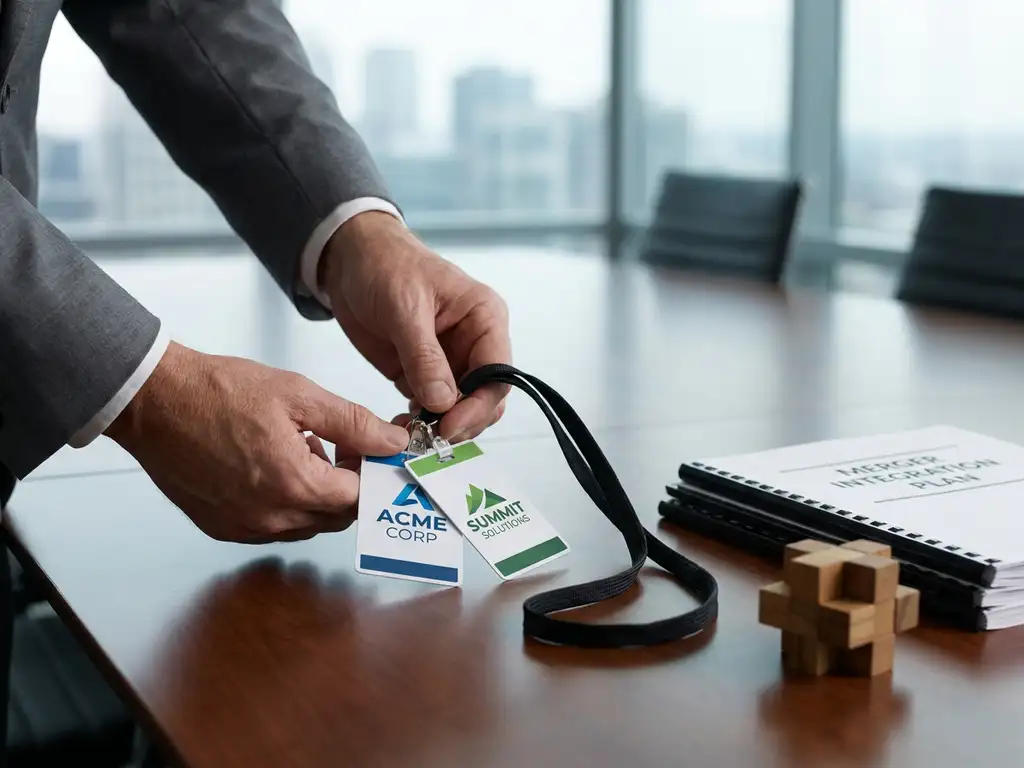
A cultural change program for mergers is designed by first diagnosing the culture gaps between the two organizations, then defining a clear target culture with specific behaviors, and finally rolling it out through aligned leadership, communication, and day to day rituals. The goal is to reduce friction, speed up integration, and protect employee engagement during workplace transformation.
This works best when leaders treat culture as an operating system, not a poster: you translate values into observable behaviors, reinforce them through management training and change communication tools, and measure adoption over time. It also helps to use storytelling in change so people understand the why, not just the what.
The questions below break down the practical steps, from assessment to sustainment, so you can build a cultural change program that actually sticks.
What is a cultural change program in a merger
A cultural change program in a merger is a structured plan to align company culture, leadership behaviors, and ways of working across two organizations so the new entity can operate as one. It combines change management training, an internal communication strategy, and culture building activities to turn cultural intent into consistent daily behavior.
In practice, it is not a one time announcement or a values refresh. It is a coordinated set of actions that helps people answer three questions quickly: What is changing, why is it changing, and what do I do differently on Monday morning.
- Clear cultural outcomes such as faster decision making, better cross team collaboration, or stronger customer focus
- Behavior definitions that make values observable, coachable, and measurable
- Leadership alignment so executives and managers model the same standards
- Employee communication training and manager toolkits to reduce confusion and rumor cycles
- Reinforcement mechanisms like rituals, recognition, onboarding updates, and performance expectations
Because mergers create uncertainty and information overload, a strong cultural change program also protects attention. It prioritizes the few behaviors that matter most and repeats them consistently through multiple channels.
How do you assess and map culture gaps before integration
You assess and map culture gaps before integration by comparing how each organization actually makes decisions, communicates, handles conflict, and rewards performance, then translating differences into specific risks and opportunities. The best approach blends qualitative input from employees with operational evidence, so the culture map reflects reality rather than leadership assumptions.
Start by defining the cultural dimensions that most affect execution. For many mergers, the biggest friction points show up in speed versus consensus, autonomy versus control, and direct versus indirect communication.
- Run a culture diagnostic using interviews, focus groups, and short pulse questions across levels and locations
- Analyze “work artifacts” such as meeting cadence, decision rights, escalation paths, and how projects get approved
- Map the gaps by listing where the two cultures differ and what that means for customers, delivery, and employee engagement
- Identify non negotiables including compliance, safety, and brand promises that must not be diluted
- Spot quick wins where small process changes reduce daily friction immediately
Make the output practical. A useful culture gap map includes example scenarios, like how a product decision gets made or how feedback is given, and shows what “good” looks like in the merged organization.
How do you design the target culture and behavior changes
You design the target culture by choosing a small set of cultural principles that support the merged strategy, then defining the exact behaviors leaders and teams must demonstrate to make those principles real. The key is to convert abstract values into observable actions, supported by a communication strategy and organizational culture training.
A strong target culture is not a compromise between two legacy cultures. It is a deliberate design that fits the new business model, customer expectations, and operating rhythm.
- Anchor to strategy by asking which behaviors will most improve execution in the next 12 to 18 months
- Define behavior pairs such as “disagree and commit” or “default to transparency” with examples of what to do and what to stop
- Design leader standards so managers know how to run meetings, give feedback, and make decisions in the new culture
- Build shared language using storytelling in change so people can repeat the message accurately
- Plan reinforcement through onboarding, recognition, performance conversations, and team culture building rituals
If you want the culture to scale, keep it simple. Three to five behavior themes are easier to teach, coach, and measure than a long list of aspirational statements.
What are the key steps to implement a merger cultural change program
The key steps to implement a merger cultural change program are to align leadership, equip managers, communicate consistently, and embed the new behaviors into everyday systems. Implementation succeeds when the internal communication strategy and management training reinforce the same few priorities, and when teams practice the behaviors in real work, not just workshops.
- Align the top team on the target culture, decision rights, and what leaders will model publicly
- Create a change narrative that explains the why, the benefits, and the tradeoffs in plain language
- Equip managers with change communication tools, FAQs, and coaching guides for tough questions
- Run capability building such as change management training and employee communication training focused on real scenarios
- Activate teams with team culture building sessions that turn principles into team agreements
- Embed into systems including hiring, onboarding, performance, recognition, and meeting norms
- Maintain a feedback loop through pulses, listening sessions, and visible action on what you hear
Two practical tips make implementation smoother. First, over invest in manager readiness because employees trust their direct leader most. Second, reduce noise by coordinating messages across channels so people do not get conflicting updates.
How do you measure and sustain cultural change after a merger
You measure and sustain cultural change after a merger by tracking a small set of leading indicators tied to the target behaviors, then reinforcing progress through leadership routines, recognition, and continuous communication. Sustaining culture building requires ongoing employee engagement, not a one time launch, so measurement must feed action quickly.
Use a balanced set of measures that capture both perception and behavior. Avoid vanity metrics that only show message reach.
- Behavior adoption such as decision cycle time, cross team handoffs, or meeting effectiveness checks
- Manager effectiveness measured through upward feedback on clarity, coaching, and consistency
- Employee sentiment via short pulses on trust, clarity, and confidence in the change
- Collaboration signals like fewer escalations, clearer ownership, and faster conflict resolution
- Talent outcomes including regrettable attrition patterns and internal mobility across legacy groups
To sustain the change, build “culture moments” into the calendar: quarterly leadership storytelling, team retrospectives that name the behaviors, and onboarding that teaches the merged culture from day one. When leaders consistently reward the new behaviors, culture stops being a campaign and becomes the default.
How Boom for Business helps with cultural change during mergers
We help merger teams make cultural change clear, human, and actionable by turning strategy into behaviors people can practice, remember, and repeat. Our approach combines creative change management, business friendly humor, and practical communication strategy so leaders and employees stay aligned, engaged, and confident during workplace transformation.
- Company culture workshop formats that translate target culture into concrete team agreements and daily rituals
- Organizational culture training and change management training that equips leaders to model and coach the new behaviors
- Employee engagement activations that cut through communication fatigue and make key messages stick
- Storytelling in change so the merger narrative feels consistent, credible, and easy to share
- Humor in business used carefully to lower tension, increase openness, and improve collaboration without undermining seriousness
If you want a cultural change program that employees actually adopt, explore our workshops or contact us directly via Boom For Business to discuss your merger goals and timeline.
Frequently Asked Questions
How do we handle resistance from employees who strongly identify with a legacy culture?
Start by naming what will be preserved (pride points, strengths, non-negotiables) and what must change for the new strategy. Use managers to run small-group listening sessions, then convert the top concerns into specific “here’s what will be different” commitments. Give people a role—pilot teams, culture champions, or process co-design—so resistance becomes participation.
What should managers say when they don’t have all the answers during integration?
Use a simple script: (1) what we know, (2) what we don’t know yet, (3) what we’re deciding next and by when, and (4) how you can raise issues. Repeat it consistently and document updates in one place. Credibility comes from clarity about uncertainty, not from pretending certainty.
How do we prevent “us vs. them” dynamics between the two legacy organizations?
Design mixed teams around real work early (customer issues, product launches, process fixes) and give them shared goals and decision rights. Standardize meeting norms and conflict rules so collaboration feels fair. Publicly recognize cross-legacy wins and rotate visible leadership roles to avoid one side feeling absorbed.
What are quick culture wins we can deliver in the first 30–60 days?
Pick 2–3 friction points that employees feel daily and fix them fast: clarify decision ownership for common approvals, simplify meeting cadence, align core tools (channels, templates), and publish “how we work now” norms. Pair each fix with a behavior message (e.g., “default to transparency”) so operational improvements reinforce the target culture.
How do we align HR policies and performance management without triggering backlash?
Sequence changes: first align expectations and behaviors, then adjust policies to match. Explain the rationale in plain language, run manager training before rollout, and offer transition periods where possible. Test new performance and recognition language with a cross-legacy manager group to catch unintended signals.
When should we use external facilitators or consultants versus running culture work internally?
Use internal leaders for day-to-day reinforcement and credibility. Bring in external support when you need neutrality (high tension), speed (tight integration timelines), or specialized capability (diagnostics, facilitation, comms design). A good split is: external team designs the approach and coaches leaders; internal teams own delivery and sustainment.
Related Articles
- How do you sustain culture building after an event?
- How do you evaluate the performance of a corporate event host after the event?
- What should an inspirational workshop for teams actually make people feel?
- What makes a teambuilding workshop actually change behavior long-term?
- How do event hosts handle sensitive corporate topics?