
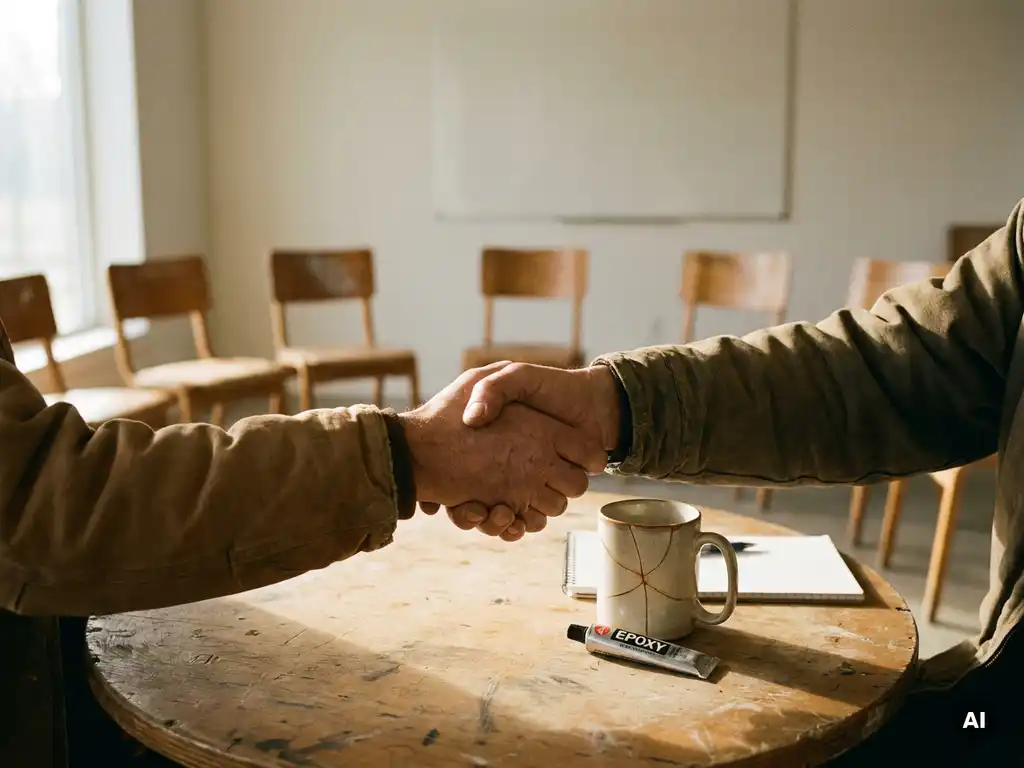
A workshop that rebuilds trust best is a psychological safety and communication workshop that combines structured dialogue, practical psychological safety exercises, and clear agreements for day-to-day behavior. It works because it helps people speak honestly, listen well, and repair small ruptures before they become lasting conflict.
This is especially effective for teams dealing with tension after change, unclear decisions, siloed work, or repeated misunderstandings. The right format creates fast, visible shifts in how people communicate, not just how they feel.
Below you will find the most effective workshop types, what happens inside them, and how to choose the best fit for rebuilding trust at work.
What kind of workshop rebuilds trust in a team?
The most reliable trust-rebuilding format is a team trust workshop that targets three things at once: psychological safety, communication habits, and accountability. In practice, that means guided conversations, skill drills, and concrete team agreements. A good workshop also includes a light conflict repair element so teams can address what happened without rehashing blame.
Trust rarely breaks because of one dramatic moment. More often, it erodes through missed handoffs, unclear priorities, feedback that feels unsafe, or leaders who communicate inconsistently. A workshop rebuilds trust when it changes the patterns that created doubt in the first place.
- Psychological safety so people can speak up, ask for help, and admit mistakes
- Clear communication so expectations, decisions, and ownership stop getting lost
- Repair skills so conflict becomes solvable instead of personal
- Behavioral agreements so trust is reinforced after the session ends
How do trust-building workshops work in practice?
Trust-building workshops work by creating a safe, structured environment where teams practice new behaviors in real time, then commit to specific follow-through. The best sessions start with shared definitions of trust, surface friction points without blame, and use short drills to build listening, clarity, and repair. The output is a simple plan the team actually uses.
In a strong team communication workshop, facilitators do not just ask people to “be more open.” They design moments where openness becomes easier and more normal. That typically includes clear rules for discussion, time-boxed exercises, and a way to capture agreements.
- Set the container: working agreements, confidentiality boundaries, and what “safe enough” means
- Name the trust gaps: where the team experiences breakdowns, for example handoffs, meetings, feedback, decision-making
- Practice new moves: listening drills, clarity checks, and speaking-up scripts
- Repair and reset: a lightweight conflict-resolution step that focuses on impact, needs, and next time
- Lock in habits: 3 to 5 team norms with owners and a review date
When teams leave with shared language and repeatable micro behaviors, rebuilding trust at work becomes measurable in daily interactions: fewer assumptions, faster alignment, and more willingness to raise issues early.
Which activities are most effective for rebuilding trust?
The most effective activities for rebuilding trust are those that create psychological safety and improve clarity under real constraints, not just “bonding.” Look for exercises that train listening, make expectations explicit, and normalize respectful disagreement. The best activities are short, repeatable, and tied to actual work situations.
- Listen and reflect rounds: one person speaks for 60 seconds, the other mirrors back meaning and emotion before responding
- Assumption checks: teams list assumptions behind a conflict, then replace them with questions and verified facts
- Clear request practice: participants turn vague needs into specific requests with deadlines and success criteria
- Failure and learning stories: each person shares a small mistake and what they learned, building “it is safe to be human”
- Working agreements sprint: define meeting rules, response times, escalation paths, and decision rights
- Yes-and-style collaboration drills: improv-inspired exercises that train support, adaptability, and making others look good
If your team needs a stronger repair muscle, include a simple conflict resolution workshop segment: impact statements, accountability without shame, and a clear next step. That combination helps teams move from tension to action.
What should you look for when choosing a trust workshop?
Choose a trust workshop based on the team’s real trust problem, the facilitator’s ability to handle tension, and whether the session produces concrete behavior change. The best indicator is not how inspiring it sounds, but whether it includes practice, agreements, and follow-up. A strong team trust workshop should feel safe, but not vague.
Use these criteria to pick the right format quickly.
- Clear diagnosis: does it address your issue, for example post-conflict, change fatigue, siloed teams, low feedback
- Skill practice: does it include drills for listening, clarity, feedback, and speaking up
- Psychological safety design: are there explicit rules that prevent blame and protect quieter voices
- Facilitation strength: can the facilitator keep energy high while handling defensiveness calmly
- Transfer to work: do you leave with 3 to 5 norms, owners, and a review moment
- Right duration: one hour can reset habits, half a day builds skills, full day supports deeper repair
Also check whether the workshop can be adapted to your context. Trust breaks differently in a leadership team than in a cross-functional project group, so customization matters.
How does X help with rebuilding team trust?
We help rebuild trust at work by combining practical psychological safety exercises with high-energy facilitation and business-friendly humor, so teams practice better communication without shutting down. Our workshops are designed to create real behavior change, not just a nice moment, and we can scale from a short reset to a full culture journey.
- Improv-based skill building that strengthens listening, adaptability, and supportive collaboration
- Clear team agreements that turn trust into daily behaviors, not abstract values
- Facilitators who can hold tension while keeping the room engaged and constructive
- Flexible formats from one hour to multi-session programs, depending on how deep the trust gap runs
Start by exploring our workshops, or see how we build everyday behaviors through Positive Culture. If you want a more active format that reconnects colleagues fast, review team-building options. For a quick first step, contact us via Boom For Business to discuss your team and request a quote.
Frequently Asked Questions
How do you know whether your team needs a trust workshop or something else (like mediation or coaching)?
Choose a workshop when the team still wants to work together but needs better habits (speaking up, clarity, follow-through). Choose mediation when there’s an active dispute between specific people that keeps derailing work. Choose coaching when the main issue is one leader’s behavior or a small number of individuals, not the whole team. If you’re unsure, run a short anonymous pulse survey and a few 1:1 interviews to confirm whether the problem is team-wide patterns or a specific conflict.
How can you measure whether trust is actually improving after the workshop?
Pick 3–5 observable indicators and track them for 4–6 weeks. Examples: fewer last-minute escalations, clearer owners on tasks, faster decision turnaround, more questions raised in meetings, and higher follow-through on commitments. Pair this with a simple monthly pulse (e.g., “I feel safe raising concerns” and “Decisions are clear”) and review results in a 15-minute retro.
What should leaders do before the workshop to avoid making it feel performative?
Share a clear purpose (“what we’re trying to fix”), name your own contribution to the current dynamic, and commit to specific changes you’ll make. Invite input in advance (anonymous is fine), and clarify what will and won’t be discussed (e.g., no public blame, no HR investigations). Most importantly, protect time afterward for follow-up—trust drops fast when agreements aren’t reinforced.
What if the team is remote or hybrid—does a trust workshop still work?
Yes, but it needs tighter design: shorter segments (60–90 minutes), more structured turn-taking, and explicit norms for cameras, chat, and interruptions. Use breakout pairs for listening drills, a shared doc for agreements, and end with two concrete “remote norms” (e.g., response-time expectations and decision documentation). Schedule a 2-week check-in to adjust what isn’t working.
How do you handle confidentiality and psychological safety when sensitive issues come up?
Set boundaries up front: what stays in the room, what must be escalated (e.g., harassment, threats), and how notes will be used. Use “theme capture” instead of attributing quotes to individuals, and offer multiple channels for input (spoken, written, anonymous). If something sensitive surfaces, pause and agree on the next step rather than forcing a full resolution in the moment.
What’s a practical follow-up plan to keep trust from slipping back?
Assign owners to each team agreement, add a 10-minute “norms check” to a recurring meeting, and set a review date (2–4 weeks). Use a simple script when norms break: name the impact, restate the agreement, and ask for a reset (“Can we try that again with our decision rule?”). If patterns persist, schedule a short booster session focused on the one norm that’s hardest to maintain.
What if one or two people dominate or shut down during the workshop?
Use structure, not pressure: timed rounds, written reflection first, and a facilitator who actively balances airtime. Agree on a “step up/step back” norm, and give quieter participants low-risk entry points (chat, anonymous prompts, pair shares). If dominance is chronic, address it privately with the person and tie it to the team’s agreements and impact on outcomes.
Related Articles
- How do you create a change management training plan for managers?
- What activities support team culture building?
- How do you run an employee engagement workshop that goes beyond surface-level fun?
- What are team building solutions for communication challenges?
- What are themed team building photo challenges?