
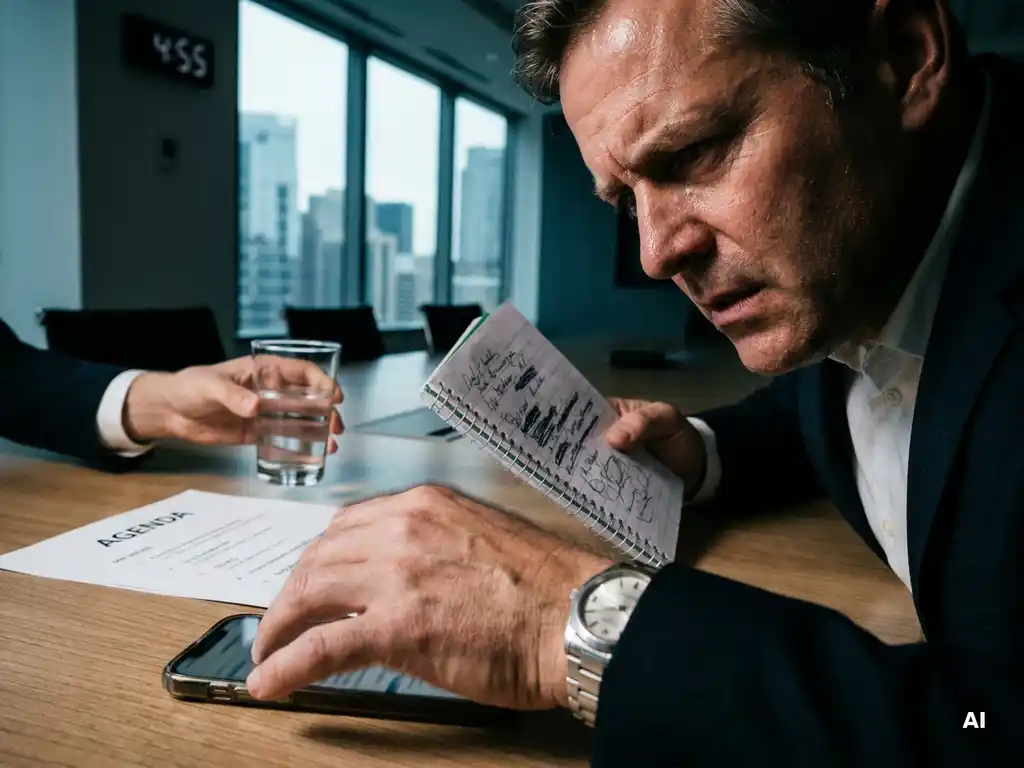
Train managers to communicate better under pressure by building a repeatable, practiced system: regulate stress in the moment, clarify the single message that must land, and deliver it with simple structure and active listening. The goal is not perfect wording, but calm, clear decisions and respectful dialogue even when stakes and emotions rise.
This works best when training combines short, realistic simulations with feedback, plus everyday habits that reduce communication fatigue and confusion before a crisis hits. Managers improve fastest when they practice difficult conversations the same way they practice operational routines.
The questions below break down what “pressure” really looks like, why communication breaks down, and the frameworks and measurement methods that make improvement visible.
What does “communicating under pressure” mean for managers?
Communicating under pressure means delivering clear, respectful, decision-oriented messages when time is short, emotions run high, and information is incomplete. For managers, it includes crisis updates, tough performance conversations, and change announcements where people need clarity, empathy, and next steps without overexplaining or reacting defensively.
In practice, pressure shows up in three common ways: urgency, uncertainty, and social risk. Urgency pushes managers to speak too fast or skip context. Uncertainty tempts them to speculate or hedge endlessly. Social risk makes them avoid directness, especially in difficult conversations for managers where trust and psychological safety matter.
Strong leadership communication skills under pressure look consistent across situations: the manager names what is known, what is not yet known, what will happen next, and what the team should do now.
Why do managers communicate worse under stress?
Managers communicate worse under stress because the brain prioritizes threat response over nuance, which reduces listening quality, working memory, and word choice. Stress also narrows attention, so managers either overfocus on details or jump to conclusions, both of which create confusion and erode trust during high-stakes moments.
Stress management for leaders matters because stress changes behavior in predictable patterns. Common breakdowns include talking more and listening less, using vague language to avoid conflict, and sending too many messages that add to information overload.
- Cognitive overload: Under pressure, managers struggle to hold context, priorities, and audience needs at the same time.
- Emotional leakage: Frustration or anxiety shows up as sharp tone, rushed delivery, or defensiveness.
- Ambiguity avoidance: Some managers overpromise to calm the room, then lose credibility later.
- Channel mismatch: Email becomes a crutch, even when a live conversation would prevent misinterpretation.
These patterns are exactly why crisis communication training should include both message structure and in-the-moment regulation, not just “better slides” or “better wording.”
How do you train managers to stay clear and calm in the moment?
Train managers to stay clear and calm by combining micro-skills for regulation with repeated practice in realistic scenarios. The fastest path is short drills that teach managers to pause, name the goal of the message, and use a simple structure to speak and listen. Repetition builds automaticity when pressure spikes.
- Teach a pause routine: One breath, feet grounded, then speak. This prevents reactive tone and buys thinking time.
- Define the “one-sentence outcome”: Before talking, managers state what the listener should know, feel, or do after the conversation.
- Use a fixed message structure: For example, context, decision, impact, next step. Structure reduces rambling.
- Practice with timed role plays: Two- to five-minute simulations mirror real pressure better than long workshops alone.
- Give feedback on observable behaviors: Clarity, pace, questions asked, and whether next steps were explicit.
To make this stick, build a weekly cadence: one scenario, one framework, one feedback loop. Managers improve when training feels like rehearsal, not theory.
What are practical frameworks managers can use during tough conversations?
Practical frameworks help managers stay respectful and direct during tough conversations by reducing improvisation and keeping the discussion anchored to facts, impact, and next steps. The best frameworks are short enough to remember under stress and flexible enough to fit performance issues, conflict, and change communication.
What is a simple structure for difficult conversations for managers?
A reliable structure is Observation, Impact, Ask. The manager describes what happened without judgment, explains the impact on work or team, and makes a clear request with a timeline. This keeps the conversation specific and reduces defensiveness.
- Observation: “In the last two client meetings, the agenda was not shared in advance.”
- Impact: “That made it harder for the team to prepare and it slowed decisions.”
- Ask: “Send the agenda 24 hours before. Can you do that starting this week?”
What framework works for crisis updates and high uncertainty?
For crisis communication training, use Known, Unknown, Next. The manager states confirmed facts, names what is still being investigated, and gives the next update time and immediate actions. This prevents speculation while still sounding present and accountable.
- Known: What is confirmed right now
- Unknown: What is not confirmed yet and who is working on it
- Next: What people should do now and when the next update comes
Both frameworks strengthen leadership communication skills because they force clarity, reduce filler, and make listening easier for stressed audiences.
How do you measure whether manager communication is improving?
Measure improvement by tracking observable behaviors and outcomes, not just confidence or satisfaction. The clearest signals are whether teams understand priorities, feel safe to speak up, and act faster with fewer clarifying loops. Use a mix of quick pulse checks, meeting observations, and message quality reviews over time.
- Clarity checks: After key updates, ask teams to repeat back priorities and next steps in their own words.
- Fewer follow-up questions: Track recurring clarification themes in chat, email, or standups.
- Meeting effectiveness: Observe whether managers summarize decisions, assign owners, and confirm deadlines.
- Psychological safety signals: Monitor whether people ask questions, admit mistakes early, and raise risks sooner.
- 360 feedback on behaviors: Rate specific skills like listening, calm tone, and directness during conflict.
To keep measurement fair, compare similar moments: for example, two change announcements, two performance conversations, or two incident updates. Improvement should show up as clearer decisions, calmer delivery, and faster alignment.
How does Boom For Business help with manager communication under pressure?
We help managers communicate under pressure by turning high-stakes communication into a trainable set of skills: clear messaging, confident delivery, and real-time adaptability. Our approach blends business-friendly humor, improvisation, and storytelling so managers stay human and credible when the room feels tense.
- Practical rehearsal: Managers practice realistic scenarios with coaching and immediate feedback, so skills transfer to real meetings.
- Message clarity: We help leaders find the true point they need to land, then structure it so it is easy to follow and remember.
- In-the-moment agility: Improv-based exercises build listening, flexibility, and calm responses when plans change.
- Culture support: Communication improves faster when teams build trust, ownership, and psychological safety through everyday behaviors.
Explore Boom For Business, see our communication workshops, learn about Positive Culture, or strengthen connection through team building programs and request a tailored proposal for your managers.
Frequently Asked Questions
How do I choose the right channel (live, phone, chat, email) when pressure is high?
Match the channel to the risk of misunderstanding. Use live (in person/video) for conflict, performance issues, or emotionally charged updates; use phone when speed matters but nuance is still needed; use chat for quick coordination with clear owners; use email only when the message is stable and you need an audit trail. If you’re unsure, default to live, then follow up in writing with a short recap of decisions and next steps.
What should a manager do when they don’t have all the answers yet?
Say what you know, what you don’t know, and what you’re doing to find out—then give a specific next update time. Avoid guessing to “sound confident.” Offer immediate actions people can take now (e.g., continue current priorities, pause a project, route questions to one owner) so the team isn’t stuck waiting.
How can managers handle pushback or strong emotions without getting defensive?
Name the emotion, validate the concern, and then return to the decision or request. A simple script: “I hear this is frustrating. Here’s what I’m deciding/asking, and why. What would you need to move forward?” Keep your tone slow, ask one question at a time, and if the conversation escalates, call a brief pause and schedule a follow-up within 24 hours.
How do you build a realistic practice routine without long workshops?
Run a 15-minute weekly drill: 2 minutes to set the scenario, 3 minutes for the manager to deliver the message, 5 minutes of role-play Q&A, and 5 minutes of feedback on two behaviors (clarity of next steps + listening). Rotate scenarios (incident update, missed deadline, conflict between peers, change announcement) and capture one improvement goal for the next week.
What are quick ways to reduce communication fatigue before a crisis hits?
Standardize a few defaults: a shared decision log, a single place for updates, and meeting norms (agenda, timeboxes, and end-of-meeting recap with owners and deadlines). Encourage managers to send fewer, clearer messages: one subject, one decision, one next step. This lowers noise so urgent messages stand out when pressure rises.
What should managers do after a high-stakes conversation to prevent confusion later?
Send a short recap within an hour: the decision, the rationale in one sentence, who owns what, deadlines, and when you’ll revisit. Ask for a quick confirmation (“Reply with your top priority and first step”) to catch misalignment early. If the topic was sensitive, also check in 1:1 to repair trust and surface concerns people won’t share publicly.
How can HR or L&D support managers who struggle most with pressure communication?
Start with targeted observation (two meetings or two role-plays) and pick one skill to improve first: pace, structure, or listening. Pair the manager with a coach or peer buddy for weekly drills, and provide ready-to-use scenario scripts and feedback rubrics. Track progress with the same type of moment each month (e.g., change update) so improvement is comparable and visible.
Related Articles
- What are the best employee engagement activities for large companies?
- How do you choose change communication tools for a global workforce?
- 7 reasons your team struggles to speak with authority at work and how to fix them
- What are venue-based team building options?
- What are video challenge team building formats?