
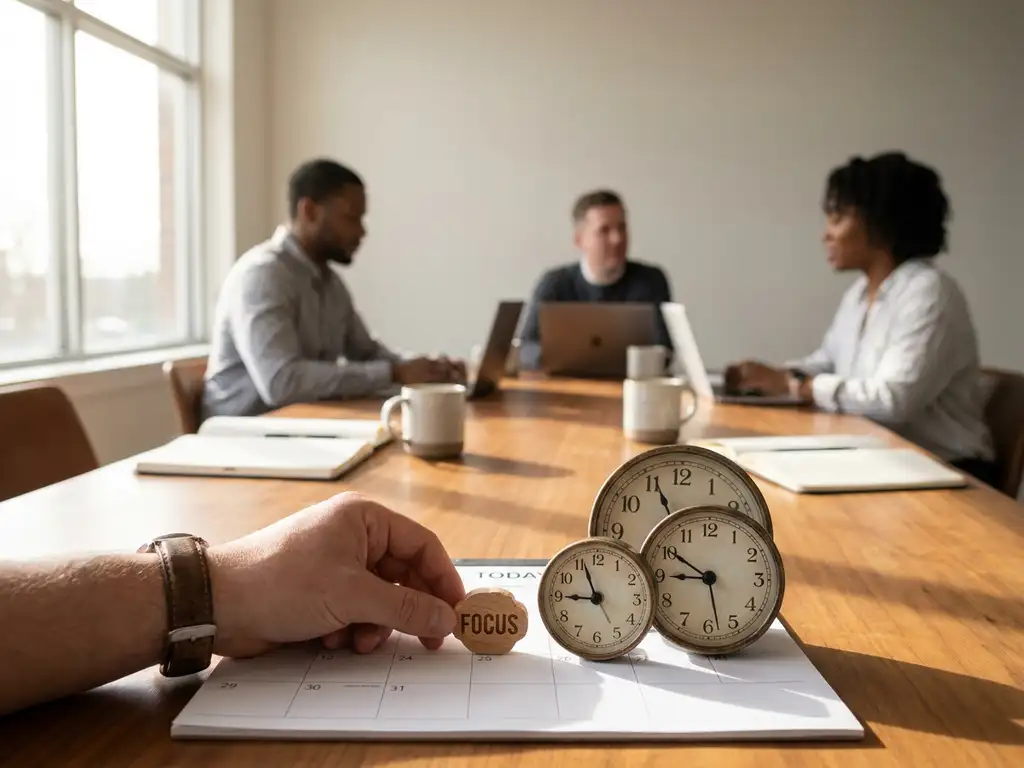
Run team culture building sessions monthly for most teams, with a quarterly deeper company culture workshop to reset norms and align on priorities. Increase to biweekly during cultural change, rapid growth, or reorgs, and reduce to every 6 to 8 weeks when trust, communication, and delivery feel consistently strong.
The right cadence depends on how much change your team is absorbing and how well your internal communication strategy is landing day to day. Culture building works best as a steady rhythm, not a one-off event, especially when you are leading through change.
The questions below help you choose a practical schedule, design sessions that actually shift behavior, and measure whether your team culture building is working.
How often should you run team culture building sessions?
Most teams should run team culture building sessions once per month to keep company culture visible, reinforce shared behaviors, and prevent small tensions from turning into bigger issues. Add a quarterly culture transformation workshop for deeper alignment. During workplace transformation or a cultural change program, move to every 2 weeks until communication and collaboration stabilize.
A useful way to set cadence is to match the session frequency to the amount of change your team is experiencing. If priorities, roles, or processes shift often, culture needs more frequent reinforcement so people do not fill gaps with assumptions.
- Monthly (default): Reinforce norms, improve employee engagement, and keep cross-team collaboration healthy.
- Quarterly (deep dive): Revisit values in practice, decision-making principles, and how you want to work together.
- Biweekly (high change): Support change communication tools, reduce confusion, and keep momentum during reorgs or strategy shifts.
- Every 6 to 8 weeks (stable teams): Maintain team culture without overmeeting when trust and delivery are strong.
Whatever cadence you choose, protect it like management training: consistency matters more than perfection. A shorter, well-run session every month beats an ambitious offsite that happens once a year.
What signs tell you your team needs culture sessions more (or less) often?
You need culture sessions more often when misunderstandings increase, feedback drops, or change messages get reinterpreted differently across the team. You can run them less often when communication stays clear, conflicts resolve quickly, and people consistently act in line with agreed behaviors without reminders. Watch patterns, not isolated incidents.
Look for signals in how work moves, not just how people feel. Culture shows up in meetings, handoffs, and decisions, especially when pressure rises.
- Run sessions more often if: meetings feel tense or quiet, decisions get revisited, silos grow, new hires struggle to integrate, or managers spend lots of time translating leadership updates.
- Keep the same cadence if: you still see minor friction, but the team can name issues and resolve them with shared language.
- Run sessions less often if: feedback loops are active, ownership is clear, and your communication strategy lands without repeated clarification.
A practical check is to ask: are we spending more time repairing misunderstandings than preventing them? If yes, increase frequency for a short cycle, then reassess.
What should a culture building session include to be effective?
An effective culture building session includes a clear behavioral goal, a shared language for how the team works, and practice through real scenarios, not just discussion. The best sessions connect company culture to daily decisions, use lightweight structure, and end with specific commitments. Humor in business can help people engage without defensiveness.
Culture building fails when it stays abstract. Make it concrete by focusing on moments that matter: meetings, feedback, prioritization, and how conflict gets handled.
- One focus topic: for example psychological safety, ownership, meeting norms, or cross-team collaboration.
- Real examples: recent friction points, handoff failures, or confusing change messages.
- Skill practice: role plays, improv-style exercises, or scenario rehearsals that build employee communication training.
- Agreements: 2 to 4 behaviors you will do, and 2 to 4 you will stop doing.
- Follow through: assign owners, set a check-in date, and decide how you will notice progress.
If you are in a workplace transformation, include a short segment on storytelling in change: what is changing, why it matters, what stays the same, and what you expect from each other while you adapt.
How do you measure whether culture sessions are working?
Measure whether culture sessions are working by tracking observable behaviors and business-relevant signals over time, not just satisfaction scores. Look for faster decisions, clearer ownership, healthier conflict, and stronger employee engagement. Pair quick pulse questions with evidence from meetings, handoffs, and change adoption to see if your internal communication strategy improves.
Use a simple measurement stack that is easy to repeat after each session cycle.
- Behavior metrics: Are meetings ending with decisions and owners? Are feedback conversations happening sooner? Are handoffs clearer?
- Communication clarity: Ask 2 to 3 pulse questions such as “I understand priorities this month” and “I know who to go to for decisions.”
- Change adoption signals: Fewer repeated questions, fewer workarounds, and more consistent use of new processes during cultural change.
- Qualitative proof: Collect short examples of “what we did differently” from team leads.
To keep it honest, measure before and after a 6 to 12 week cycle. If results stall, adjust the session design: narrow the focus, add more practice, or strengthen change management training for leaders so the new behaviors get reinforced between sessions.
How Boom for Business helps with team culture building sessions?
We help teams run culture building sessions that people actually remember and use, by combining organizational culture training with practical communication strategy and business-friendly humor. Our approach supports employee engagement during cultural change, strengthens leading through change skills, and turns abstract values into behaviors teams can practice in real situations.
- Company culture workshop formats that fit your cadence, from monthly team culture building to deeper culture transformation workshop sessions
- Interactive change communication tools that help leaders explain what is changing, why, and what “good” looks like now
- Storytelling in change exercises that make messages clear, human, and consistent across departments
- Creative change management activities that reduce defensiveness and increase participation, using humor in business the right way
- Management training elements that help managers reinforce culture between sessions, not only during the workshop
If you want a cadence and session design that fits your team and your 2026 priorities, start with our workshops or contact us via Boom For Business to map out a culture building plan.
Frequently Asked Questions
How long should a culture building session be (and how do you choose the right format)?
Aim for 60–90 minutes for a monthly session and 2–4 hours for a quarterly deep dive. If your team is overloaded, run a 45-minute “micro-session” focused on one behavior and one real scenario. Choose the shortest format that still allows practice and a clear commitment at the end.
Who should facilitate the session: a manager, HR, or an external facilitator?
Use an internal facilitator (team lead, People/HR partner, or rotating peer) when trust is high and the topic is straightforward. Bring in an external facilitator when you need neutrality (conflict, reorg, low psychological safety) or when leaders need to participate rather than run the room. Whoever facilitates should be able to keep the group on behaviors, not personalities.
What do you do if people are skeptical or think culture sessions are “fluffy”?
Start with a concrete business pain (slow decisions, rework, handoff issues) and frame the session as solving that problem. Use real examples from the last 2–4 weeks, timebox discussion, and end with 2–3 observable commitments. Then report back next month on what changed—visible follow-through is what converts skeptics.
How do you run culture building sessions for remote or hybrid teams?
Keep groups small (6–10), use a shared doc for examples, and design for participation: silent writing first, then round-robin sharing. Use breakout rooms for practice scenarios and assign a note-taker per room. Close with one team agreement and one “between-session” habit (e.g., a meeting opener or decision log) to reinforce behavior asynchronously.
How do you keep culture sessions from turning into complaint sessions or therapy?
Set a clear scope: the goal is to improve how work happens. Use a simple rule: name the situation, name the impact, propose a behavior change. Park topics that require HR processes or 1:1 conversations, and convert complaints into experiments (e.g., “For two weeks, we will…”).
What should you do between sessions to make the changes stick?
Pick one reinforcement mechanism: a meeting norm checklist, a decision log, a feedback prompt, or a weekly retro question. Assign an owner to notice and call out examples, and add a 5-minute check-in to an existing meeting. If leaders don’t model the behavior in the first two weeks, simplify the commitment and try again.
How do you tailor culture sessions for new hires or newly formed teams?
Run a “working agreements” session in the first 2–3 weeks: decision-making, communication channels, response times, and how to raise concerns. Pair it with a lightweight culture onboarding guide (one page) and a buddy system. Revisit the agreements after 30–45 days once real friction points appear.